

H2S and SCBA Course
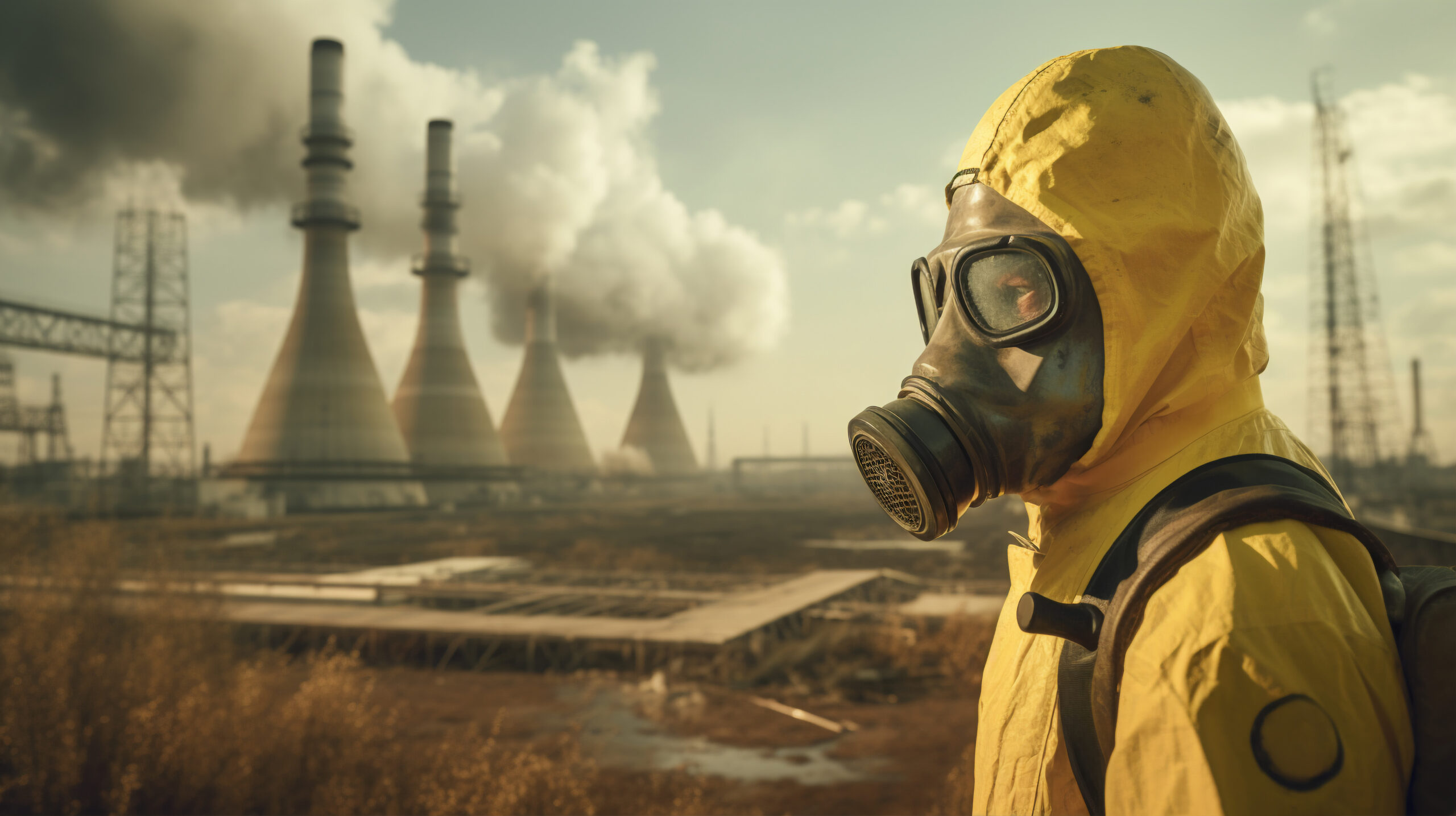
Enhance your safety skills with our comprehensive H2S & SCBA awareness course offered in Al Jubail, Dammam, and Al Khobar. This essential safety course is designed to equip participants with the knowledge and skills required to work safely in environments where hydrogen sulfide (H2S) gas may pose risks.
Register Now
Why Choose Our H2s and SCABA Safety Course?
Our H2S and SCBA course is tailored for those seeking safety certifications that enhance their qualifications and promote a culture of safety in the workplace. Upon completion, participants will have the confidence and competence to navigate situations involving H2S gas safely.
As a leading provider of safety courses in Saudi Arabia, we prioritize practical training combined with theoretical knowledge, ensuring that you emerge fully prepared to manage risks effectively.
Enroll now in our H2S and SCBA course in Al Jubail, Dammam, and Al Khobar, and take a significant step towards ensuring safety in your workplace!
For more information on our safety courses and to secure your spot, please contact us today.
Who Should Attend?
This course is suitable for:
– Oil & gas field personnel
– Confined space workers
– Plant operators
– Any personnel required to work in H₂S-prone areas
Certification
Upon successful completion, participants will receive:
– H₂S & SCBA Awareness Certificate

FAQ (Frequently Asked Question)
Yes, H2S (Hydrogen Sulfide) is extremely harmful to humans. It’s a toxic gas that can cause a range of adverse health effects, from mild irritation to death, depending on the concentration and duration of exposure.
The effects of H2S exposure vary greatly depending on the concentration (measured in parts per million or ppm) and the length of time exposed. Low concentrations can cause eye and respiratory irritation, while high concentrations can lead to rapid unconsciousness, respiratory paralysis, and death.
H2S interferes with cellular respiration, preventing the body from using oxygen effectively. It binds to iron in the mitochondria, disrupting the electron transport chain, which is crucial for energy production. This can quickly lead to organ damage and failure.
Yes, H2S is a highly poisonous gas. It’s a chemical asphyxiant, meaning it prevents the body from utilizing oxygen. Even short-term exposure to high concentrations can be fatal.
Yes, even smelling low concentrations of hydrogen sulfide can cause symptoms like headache, nausea, and dizziness. The characteristic rotten egg smell of H2S is often detectable at low concentrations, but at higher, dangerous levels, it can paralyze the olfactory nerve, making it undetectable.
If you suspect exposure to H2S:
Immediately move to fresh air.
Alert others in the area.
Seek medical attention, even if you feel only mild symptoms.
If someone is unconscious, remove them from the contaminated area and administer CPR if trained.
The body can naturally metabolize small amounts of H2S. However, in cases of significant exposure, medical intervention is necessary. This may involve administering oxygen and supportive care to help the body recover. There isn’t a specific antidote for H2S poisoning.
What is a safe level of H2S?
- OSHA PEL (Permissible Exposure Limit): 20 ppm (ceiling limit – not to be exceeded at any time)
- NIOSH REL (Recommended Exposure Limit): 10 ppm (10-minute ceiling)
- ACGIH TLV-TWA (Threshold Limit Value – Time-Weighted Average): 1 ppm (8-hour average)
- ACGIH STEL (Short-Term Exposure Limit): 5 ppm (15-minute average)
- It’s important to note that these are guidelines, and individual sensitivity to H2S can vary.
What is H2S used for?
- Petroleum Refining: Present in crude oil and natural gas.
- Natural Gas Production: A common contaminant in natural gas wells.
- Wastewater Treatment: Produced during the decomposition of organic matter.
- Pulp and Paper Mills: Released during certain pulping processes.
- Agriculture: Produced in manure pits and during the decomposition of organic materials.

+966 13 346 2511, +966 50 123 4193
info@pitcksa.com
Office No 202, 2nd Floor, Dana Building, King Faisal Street, Al Jubail Saudi Arabia, 35514